

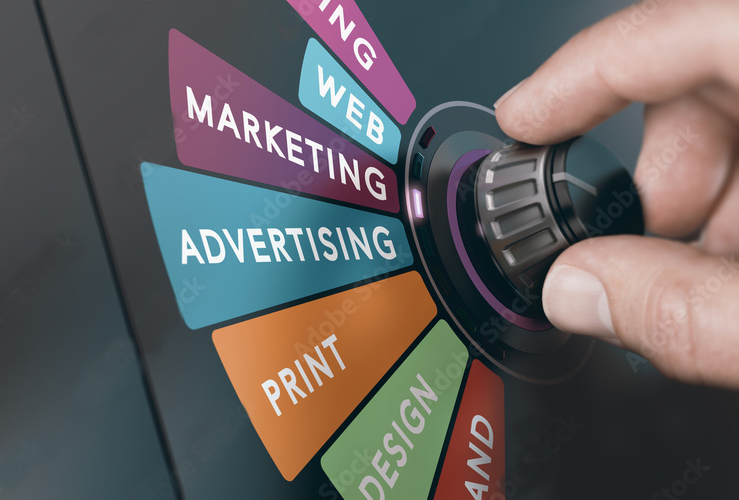
Effective marketing is essential for any business, but with so many options available locally and online, it’s easy to feel overwhelmed. From digital channels like social media and Google ads to print options, networking events, and community groups—all have their place. The key is selecting the right mix that aligns with your business goals and target audience, without overextending yourself or wasting resources.
Identify Your Audience’s Habits
Start by understanding where your potential customers spend their time. Will they think to look for your products online? Recommendations on social media? Do they read local publications or participate in community groups?
Assess Your Current Marketing Efforts
Review channels you’re using. Time and cost vs results. Have a way of asking how customers found you. Quality matters more than quantity.
Align Channels with Your Brand and Goals
Channels should reflect your brand’s personality. For example, professional and polished = LinkedIn or industry-specific magazines. Community-oriented, local print, community groups, or Facebook groups.
Practice the “Givers Gain” Philosophy
Building trust and loyalty requires giving first. Offer support, advice, and value to your community and customers. Don’t just promote your products or services.
Nurture Existing Customers
Studies show it’s far easier and cheaper to retain current clients than acquire new ones. Positive word-of-mouth can significantly boost your reputation.
Adopt a Consistent, “Bite-Sized” Approach
Instead of chasing one big marketing campaign, consider consistent, smaller efforts. This steady presence creates trust and awareness.
Leverage Community and Word-of-Mouth
Utilize platforms like Facebook community groups to share helpful tips and engage in meaningful discussions. Attend networking events to connect with other business owners and potential clients. Always ask new customers where they heard about you to measure your marketing effectiveness and refine your approach.
Demonstrate Your Value and Build Trust
Show potential customers why they should choose you. Clearly communicate your “why”—the value you offer—and continue nurturing existing clients to maintain loyalty. The more they trust your expertise, the more likely they are to refer others.
Effective Time Management and Goal Setting
Allocate specific time for acquiring new customers and nurturing existing ones. Set realistic timeframes for results—whether immediate (3 months), short-term (3-6 months), or long-term. Use tools to automate or schedule content, outsource tasks to professionals, and focus on high-impact channels to maximize efficiency.
Simplify and Measure Your Efforts
Recycling content across channels, automating posts, or outsourcing can streamline your marketing. Establish clear metrics for success—such as lead conversions, engagement, or sales—to stay focused on meaningful results rather than just activity.
By thoughtfully selecting channels aligned with your audience and goals, maintaining consistent engagement, and managing your time effectively, you maximize your marketing impact without spreading yourself too thin.
(Excerpt from a session between members of the Independent Board facilitated by Sarah Carr – Linku2)